We live in a postcard
We live in a postcard. We just don't always have the time to notice it.
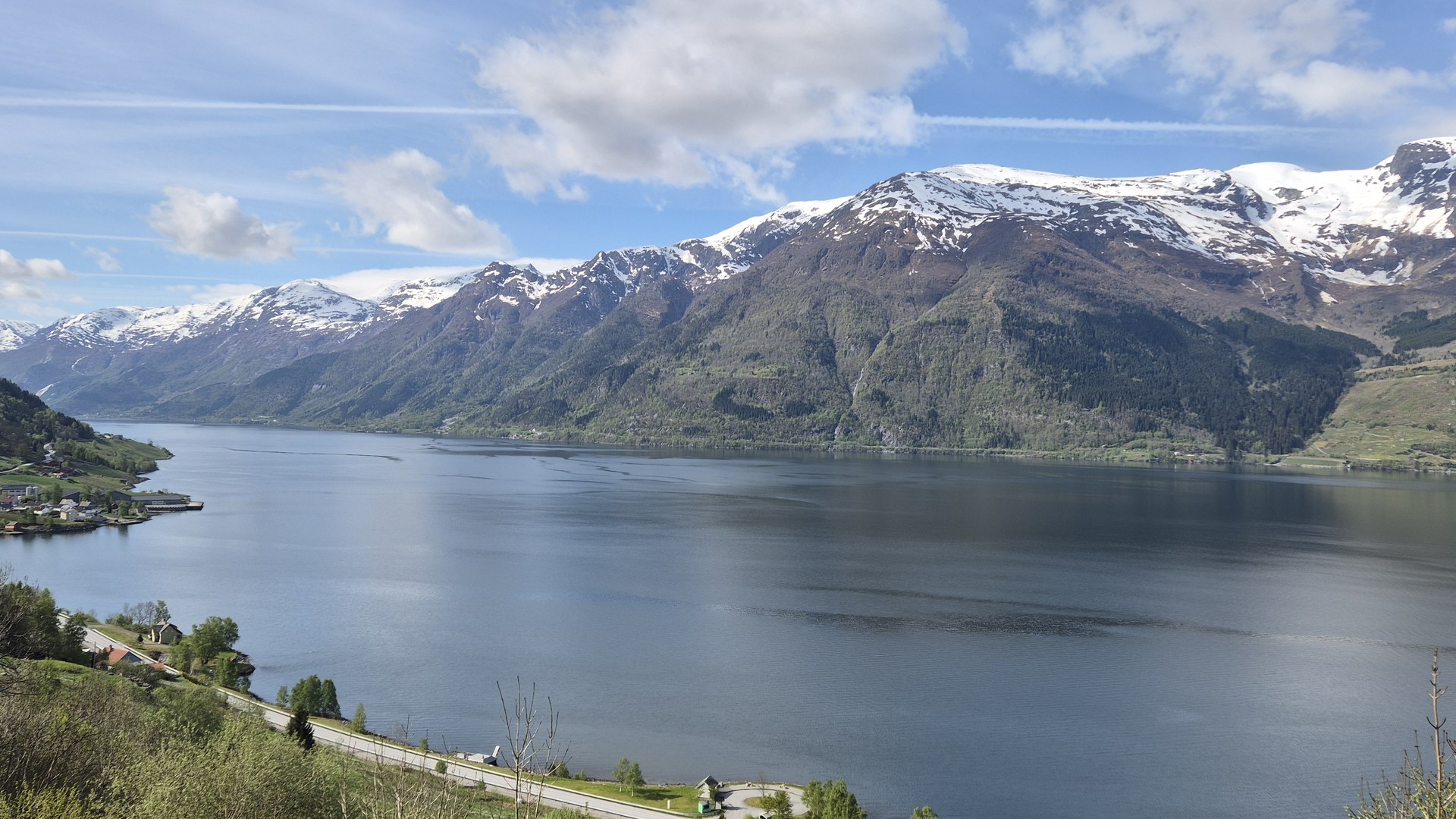
Our farm is located in Sekse, on the eastern side of the Sørfjord in Hardanger, around 120 metres above the fjord. From here, we look across the widest part of the Sørfjord towards the high mountains on its western side, with a glimpse of the Folgefonna glacier to the south. Orchards, steep hillsides, mountains and fjord surround us – the landscape for which Hardanger is known around the world.
To us, it is simply home.
Today, Morellmannen farms around seven hectares of land with approximately 14,000 fruit trees. Sweet cherries, apples, pears and plums make up our four main fruit crops, with numerous varieties of each. On top of that, we grow around 30 other fruits, berries and varieties on a larger or smaller scale.
But the story of this farm began long before us.
From scattered plots in 1744 to today's fruit farm
Documents show farming here as far back as 1744, and our family has been here through the generations ever since. The farm, however, looked very different in those days.
As was common throughout Western Norway, farmland in Sekse was divided into a complicated patchwork of small plots. A farm was not necessarily one continuous piece of land. Instead, a family's fields could be scattered between those belonging to other farms throughout the village.
That changed with the land consolidation of 1907. The plots were redistributed and largely brought together, creating the farms and property boundaries that we recognise today.
Farming itself has changed just as dramatically. Mixed farming was once the norm. A farm might have cattle, sheep, a horse, pigs and perhaps goats alongside its fruit production. Today, farms have become far more specialised, and fruit growing now dominates much of the agricultural landscape around Sekse.
We are part of that development – but also just the latest chapter in a very long story.
Sekse – between fjord and mountain
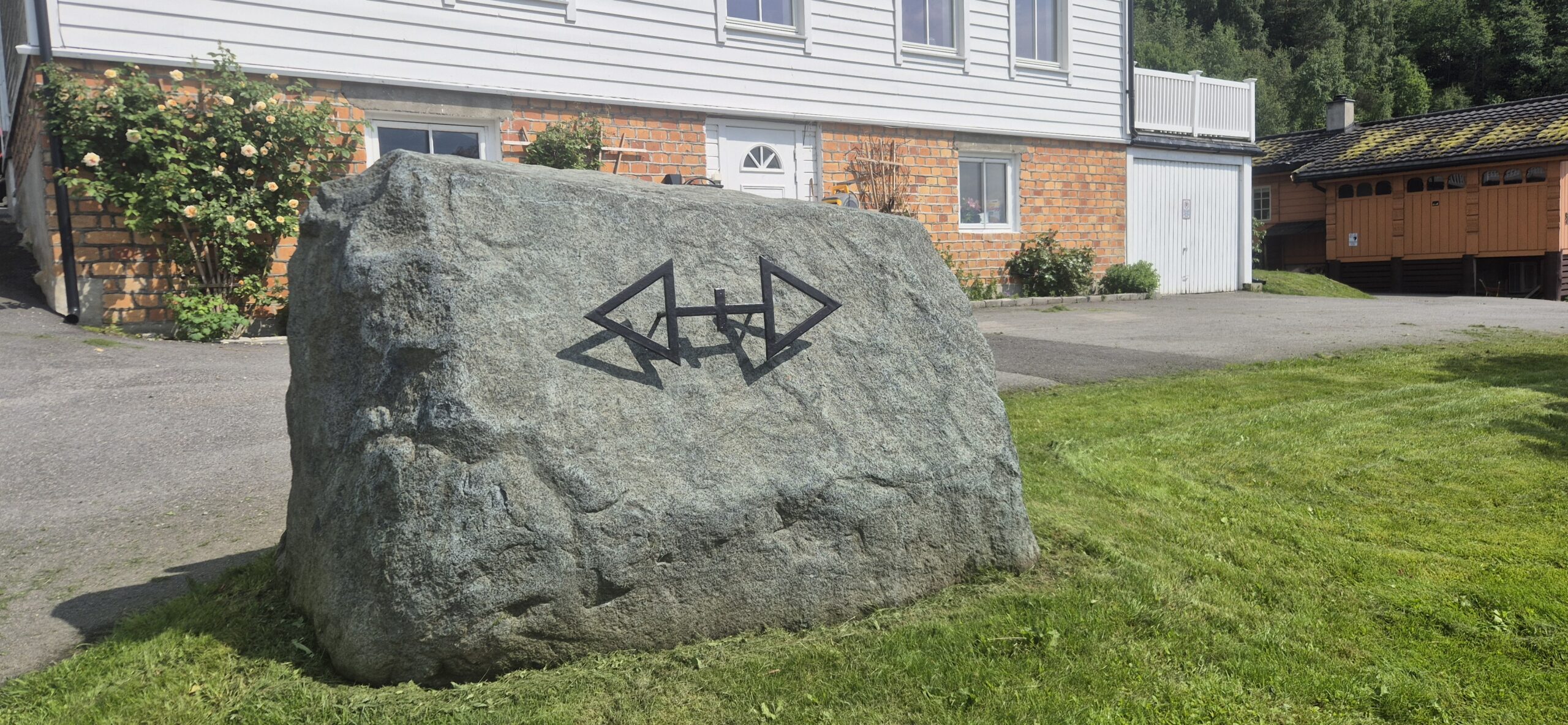
Sekse remains a small village. Fourteen farms make up the agricultural community here, with properties stretching from the shores of the Sørfjord towards the mountains above. Farming has shaped both the landscape and the village for generations.
In recent years, something new has happened as well. Three cider producers and a local brewery have given more people a reason not simply to drive through Sekse, but to stop. They come to taste, explore and see where the products are made.
We notice it on the farm too. Guests staying in our holiday house are often curious about the farming taking place around them, and visitors to the village increasingly stop by to buy fruit or simply have a chat.
Yet Sekse remains a peaceful and safe place. From the farm you can walk into the hills or down towards the fjord, with mountains, orchards and the Sørfjord surrounding you.
It is remarkably easy to forget how extraordinary that is when it is what you see every day.
Norway's fruit garden
Hardanger is known as Norway's fruit garden, and there are good reasons why.
Several favourable conditions meet here. The Sørfjord and the influence of the Gulf Stream contribute to a milder climate than our latitude might suggest, while the steep slopes absorb warmth from the sun. The fjord helps moderate temperatures, and the long, bright summer days provide excellent conditions for fruit to develop flavour and quality.
Much of the ground beneath us is fertile glacial moraine soil, left behind by the ice that once shaped this landscape. The combination of soil, light, temperature, rainfall, fjord and mountains has made fruit growing a natural part of life in Hardanger for generations.
That does not mean nature always cooperates.
Frost, rain, drought, wind, diseases and pests care very little about how beautiful the view is. Growing fruit is therefore as much about adapting to nature as it is about benefiting from it.
24 cherry varieties and a nine-week season
Sweet cherries have a particularly important place on our farm – something the name Morellmannen might give away.
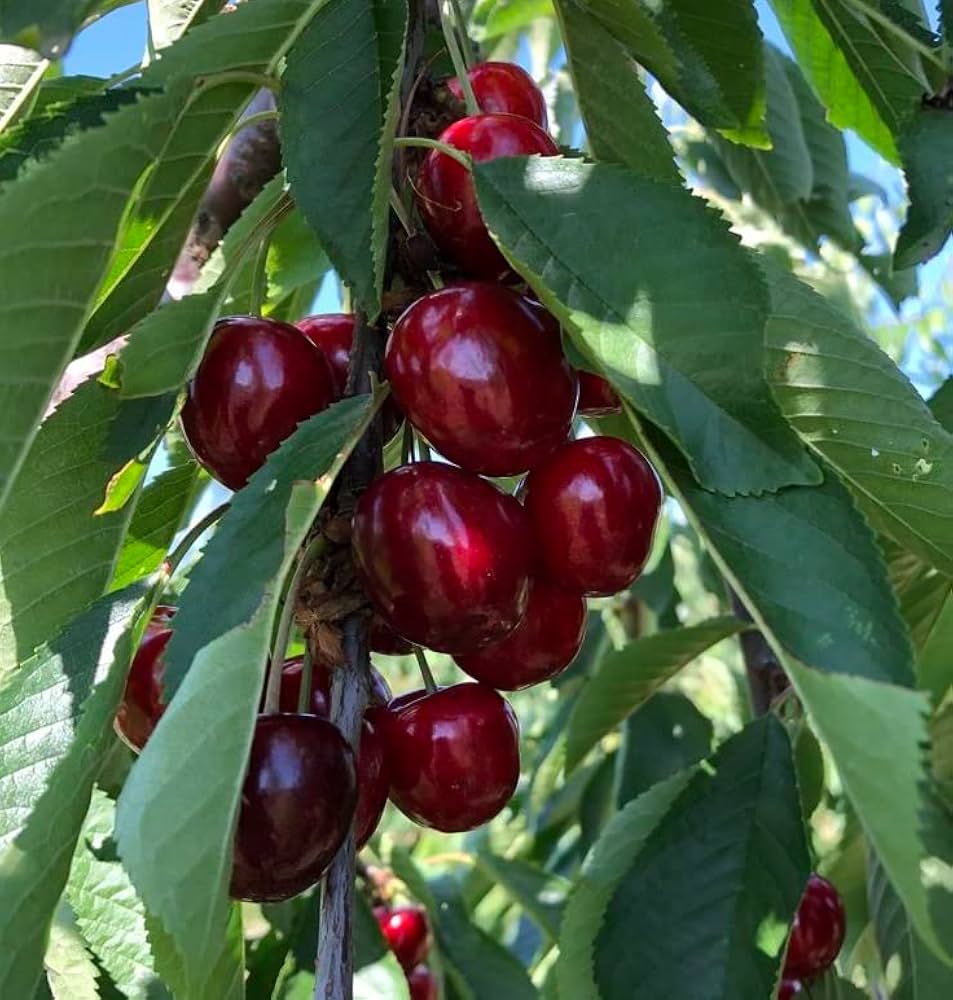
We currently grow 24 varieties. They ripen at different times, allowing us to stretch our cherry season to around nine weeks. As one variety reaches the end of its season, another is ready to begin.
The same principle applies throughout much of our fruit production, and the selection of varieties never stands still.
Some old classics seem determined never to disappear – and we are quite happy about that. Gravenstein apples are a good example. Other varieties are gradually replaced by new ones offering improved quality, better adaptation to our climate or greater natural resistance to diseases and pests.
As a result, an orchard does not look the same from one decade to the next. New varieties, growing systems and ideas arrive, while the best of what previous generations discovered remains with us.
A growing season that never really ends
It is difficult to say exactly when a new fruit-growing year begins.
Is it when the first plum blossom opens in spring? Or did it actually begin several months earlier, when we started pruning the first trees during winter?
The truth is that a farm is never completely finished.
Winter is spent pruning, clearing, planning and maintaining. As spring arrives, both the trees and the farm itself come properly back to life. Flowering, pollination and crop care gradually give way to preparations for the first harvest.
And then summer arrives.
The first strawberries can be ready as early as the beginning of May. From that point, harvesting continues more or less every single day throughout summer and autumn. Strawberries, cherries, raspberries, other berries, plums, pears and apples all take their turn.
It is not until well into October that the harvest finally begins to wind down.
And, rather amusingly, strawberries tend to be both the first and the last crop of our season.
At the busiest times of year, between five and ten people work on the farm, depending on the season and the size of the crop.
The best – and the longest – days
Some of the best days on the farm are the days when everything seems to happen at once.
On a warm day in July, the whole farm can be alive with activity. Cherries are being picked, fruit is being sorted and prepared for the packing station, people are working throughout the orchards, guests come and go from the holiday house, and visitors stop to buy fruit or have a chat.
That pulse of life during the height of summer is one of the things we enjoy most about farming.
Then there are other days.
You might find yourself standing in pouring rain in the middle of October, cold and wet, picking the final apples of the year and wondering what on earth you are doing with your life.
Both are part of it.
Sometimes the days seem to contain 25 hours and the weeks eight days.
And somehow, we still look forward to tomorrow.
From old traditions to drones and our own computer systems
We have enormous respect for the traditions of fruit growing, but that does not mean everything should be done the way it has always been done.
Quite the opposite.
Behind Morellmannen is also a background and interest in electronics and computer technology. That has made the farm a place where we are happy to develop an idea ourselves if the solution we want does not exist – or if the commercial alternatives are too expensive, too limited or locked into one particular manufacturer.
So we build our own systems.
These include systems for managing employees, sales, holiday-house bookings, harvest records and production, as well as automated irrigation systems and our own irrigation computer.
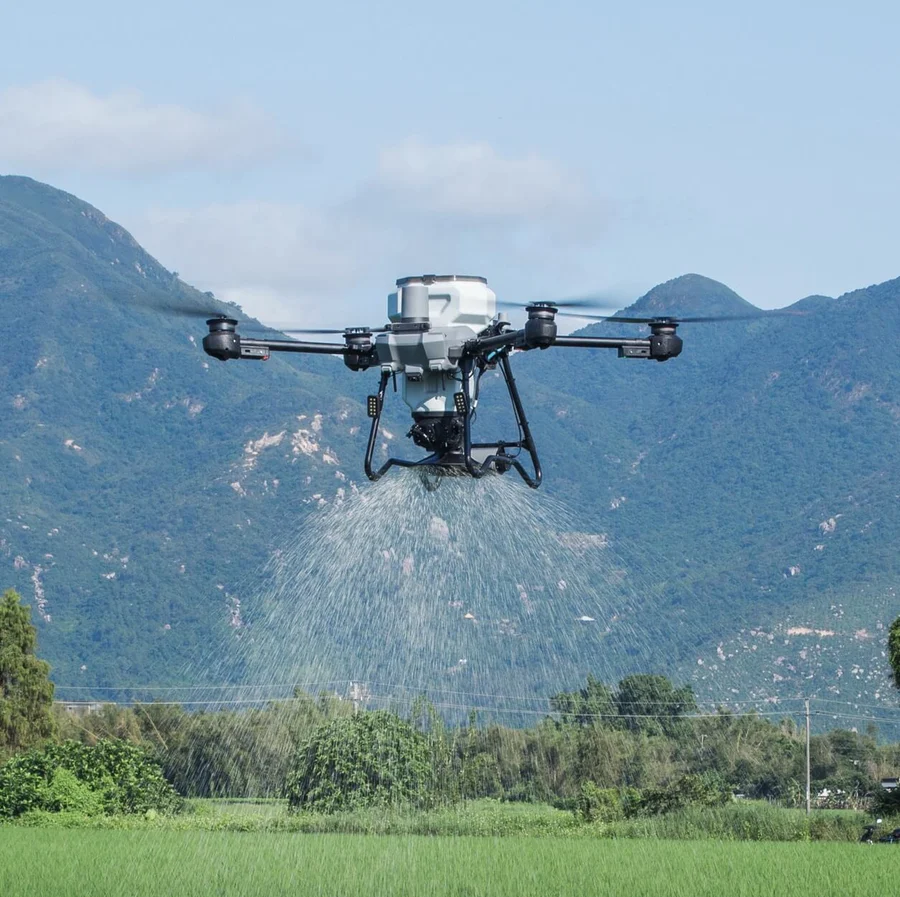
Drones are actively used as working tools on the farm alongside more traditional machinery, including tractors specifically designed to operate safely on some of our very steep hillsides.
We are not afraid to experiment with the way we grow fruit either. Pears and plums, for example, are being trialled using Guyot-style systems inspired by the training methods more commonly associated with vineyards.
And some of our experiments have moved quite a long way from what most people imagine when they picture a traditional fruit orchard.
Valhall and Folkvangr
In our cherry field Valhall, every single tree grows in its own container.
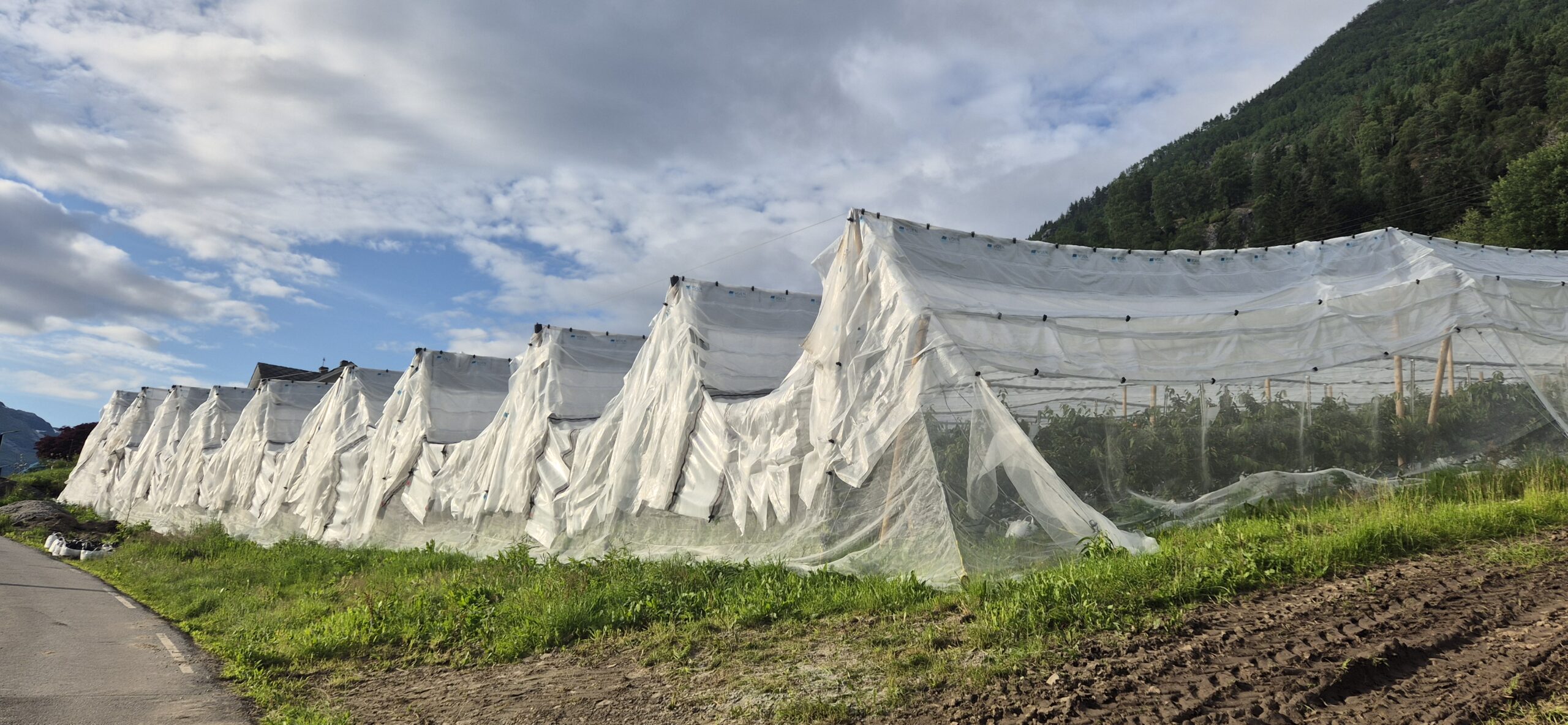
The growing area is protected from the outside environment and can be covered against rain, while a computer continuously looks after the trees. Temperature, humidity, whether the rain cover is in place and other conditions all influence how much water and nutrition the trees receive.
Rather than guessing what the trees need, we try to give them what they need – when they need it.
It is an intensive growing system. Under favourable conditions, production per unit of growing area can reach up to four times that of more conventional cherry production.
Folkvangr follows much of the same philosophy, but this time with strawberries.
The plants are raised from the ground on a tabletop growing system inside a tunnel. They are everbearing varieties, flowering and producing new berries repeatedly throughout the growing season.
Depending on temperature and growing conditions, the plants can produce between three and eight crops during the year.
Here too, a computer takes care of much of the daily monitoring, supplying water and nutrients according to conditions and the needs of the plants.
In many ways, Valhall and Folkvangr are small laboratories in the middle of an otherwise working farm.
We experiment, measure, learn, make mistakes, adjust – and try again.
Because even after several hundred years of farming in Sekse, there are still new ways to grow fruit.
And the technology we develop is not necessarily only for ourselves. Our systems are continually evolving and can also be made available to other growers who want to use them.
More technology can also mean greener farming
For us, technology is not about technology for its own sake.
Better information allows us to make better decisions.
If we know more precisely what a plant needs, water and nutrients can be supplied according to actual demand rather than broad estimates. If a problem can be mapped accurately, measures can be targeted where they are actually needed rather than applied across an entire field.
The same principle applies to crop protection.
Our aim is to reduce unnecessary use of plant-protection products and fertiliser while maintaining healthy crops and high quality. Biological methods are becoming increasingly important, including the use of beneficial insects – the “good guys” for whom many of the troublesome insects happen to be a perfectly normal meal.
Modern technology and natural processes can therefore work together rather than against each other.
To us, that is an important part of sustainable farming: producing good food, using resources precisely and constantly looking for a better way of doing things.
Tree-ripened – picked today
Most of the fruit we produce is delivered to our local packing station before travelling through the cooperative system to shops and customers around Norway.
But we also sell some of it ourselves.
Direct sales are partly about professional pride and partly about something very simple: perfectly good ripe fruit should not be wasted.
Fruit destined for packing, transportation, distribution and supermarket shelves cannot always be allowed to hang on the tree until it is completely ripe. It still has a long journey ahead of it, and it has to survive that journey.
With direct sales, the distance between the tree and the customer can sometimes be only a few metres.
That means the fruit can stay on the tree longer.
It is the idea behind one of the simplest ways we can describe what we sell:
Tree-ripened – picked today.
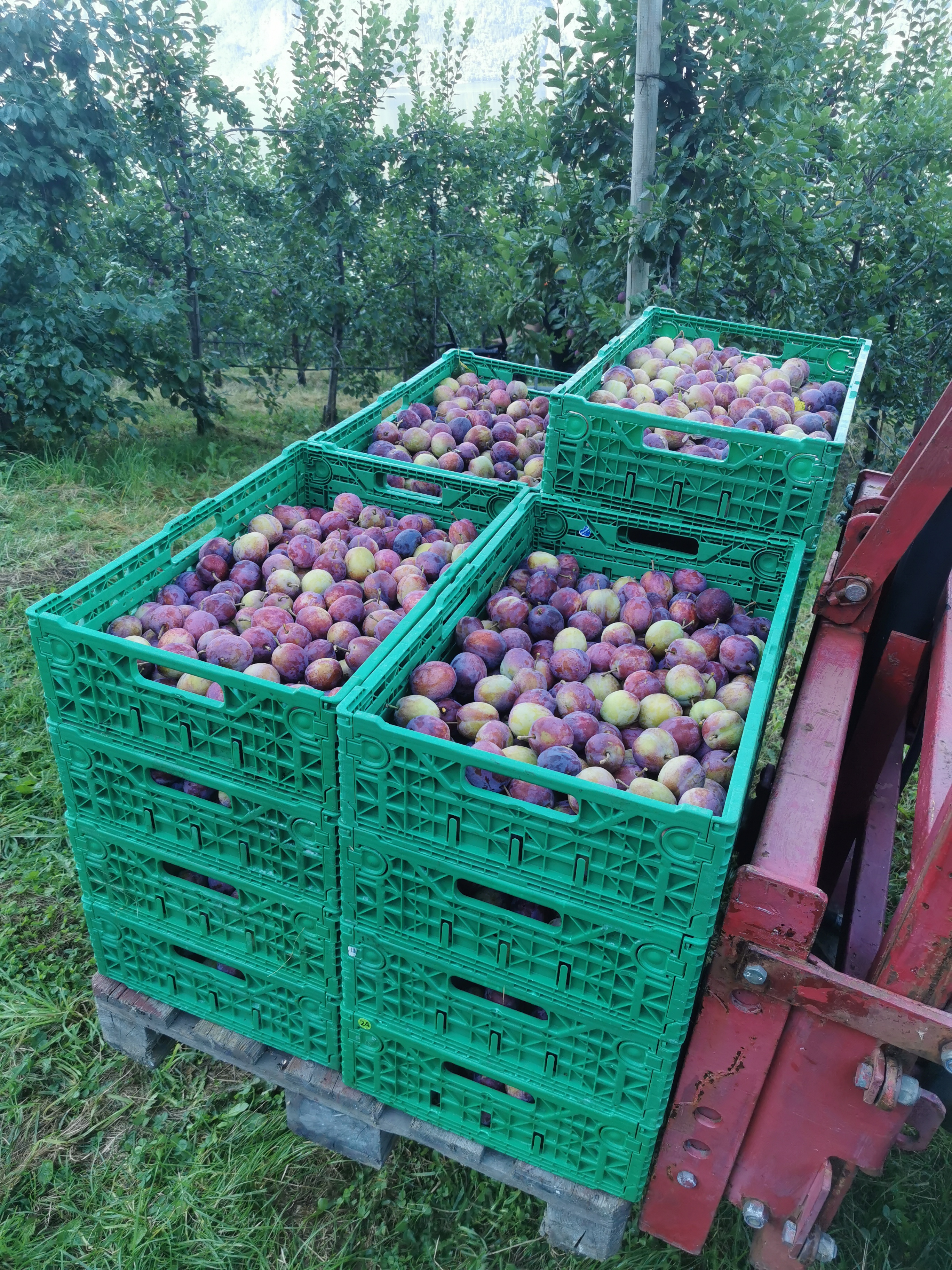
And perhaps one of the most rewarding moments in fruit growing is watching someone taste a truly ripe plum for what may be the first time in their life.
There is usually no need to explain much.
Their reaction says everything.
And at that moment, all the work was worth it.
A farm – and a way of life
There are, of course, days when an ordinary nine-to-five life sounds rather appealing.
Just not very many of them.
Farming is more a way of life than a job. The work is all around us when we wake up in the morning, and it is still there when evening arrives.
That does not mean we never leave. Between the busiest periods there are fortunately opportunities to switch off for a few days or even a few weeks – whether that means heading into the mountains, travelling somewhere else in Norway or going out into the wider world.
Perhaps leaving occasionally also makes you see home a little differently when you return.
Because we really do live in a postcard.
It is peaceful here. It is safe. From the farm you can walk into the hills, wander down towards the fjord or simply sit and look across the Sørfjord towards the mountains on the other side. At the same time, some of Hardanger's best-known landscapes and experiences are within easy reach, with fjords, waterfalls, mountains and an almost endless choice of walks and hikes.
But to us, these are not simply beautiful surroundings for our workplace.
This is home.
We have chosen to appreciate the whole package – the long days, the weather, the uncertainty, the frantic summer weeks, the people we meet and the privilege of producing food from the same land that generations before us depended upon.
We are proud of what we do.
At the same time, we know there is always something we can do better.
And perhaps that is one of the best reasons to get up tomorrow morning and do it all again.